What inspired you to pursue a career in the packaging industry?
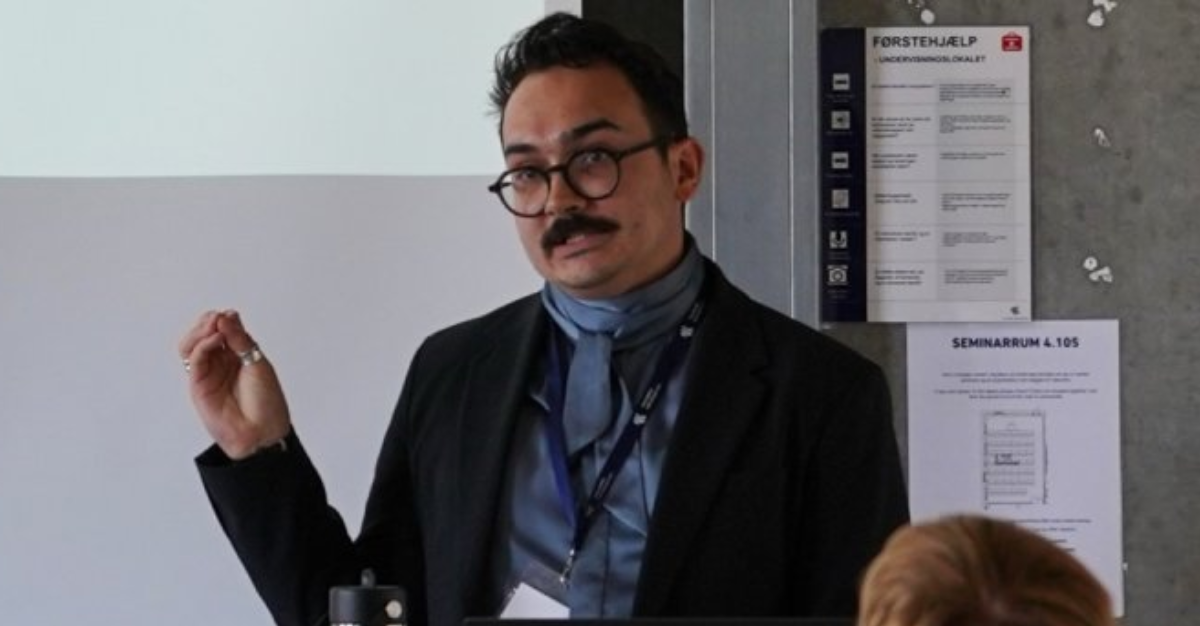
Charlie Bradley – Over the past four years, working closely with both industry and academics has shown just how complex the transition to a circular economy can be – and has highlighted the need for data transparency to effectively scale and sustain reuse systems.
All these challenges – and the quest for practical solutions – continue to motivate me.
What is one of the biggest challenges you’ve faced as a young leader in the packaging industry?
Charlie Bradley – Probably building meaningful connections. Early in my academic career, I lacked the confidence to reach out and engage with industry leaders, highly driven individuals whose ambitions were already shaping the future of sustainable packaging.
What I discovered, however, was that many of them genuinely recognised the importance of sharing knowledge to advance our collective goals. Their openness helped me understand that collaboration is essential for making reuse solutions more accessible and scalable.
If you could change one misconception about packaging, what would it be?
Charlie Bradley – One misconception I’d like to change is the blanket belief that “plastics are bad”. There’s a growing assumption that any alternative material is automatically better than plastic. For reuse systems, that simply isn’t true. Premium materials like stainless steel or glass carry higher environmental and economic costs upfront, requiring more cycles to be sustainable.
Plastics – when kept in circulation and managed responsibly – may offer a lower-impact, highly effective option. They shouldn’t be automatically dismissed but considered, used, and reused where appropriate.